
Hear from Our Customers
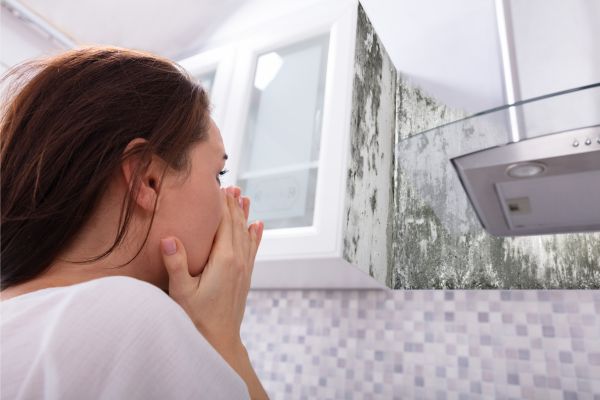
You can’t fix what you can’t see. That musty smell in your basement, the persistent cough that won’t quit, the water stain that dried months ago—these aren’t things to ignore. They’re signs that something’s growing where it shouldn’t.
Professional mold testing gives you clarity. You’ll know if there’s a problem, how serious it is, and what’s actually causing it. Not guesswork. Not a $15 hardware store kit that tests one square foot. A real assessment of your indoor air quality and the surfaces where mold hides.
Most homeowners in Fergusonville deal with mold at some point. Bucks County’s climate, older homes with basements, and our humid summers create perfect conditions. The question isn’t whether mold can grow in your home—it’s whether you’ll catch it before it becomes expensive.
Testing means you get lab-certified results that tell you the type of mold, the concentration levels, and where the moisture is coming from. You’ll have a clear report and a plan. No more wondering if that dark spot is dirt or something worse.
We work throughout Fergusonville and Bucks County. We’re the team that shows up when homeowners need straight answers about mold problems. Not a franchise following a script—a local company that understands how homes in this area are built and where problems typically start.
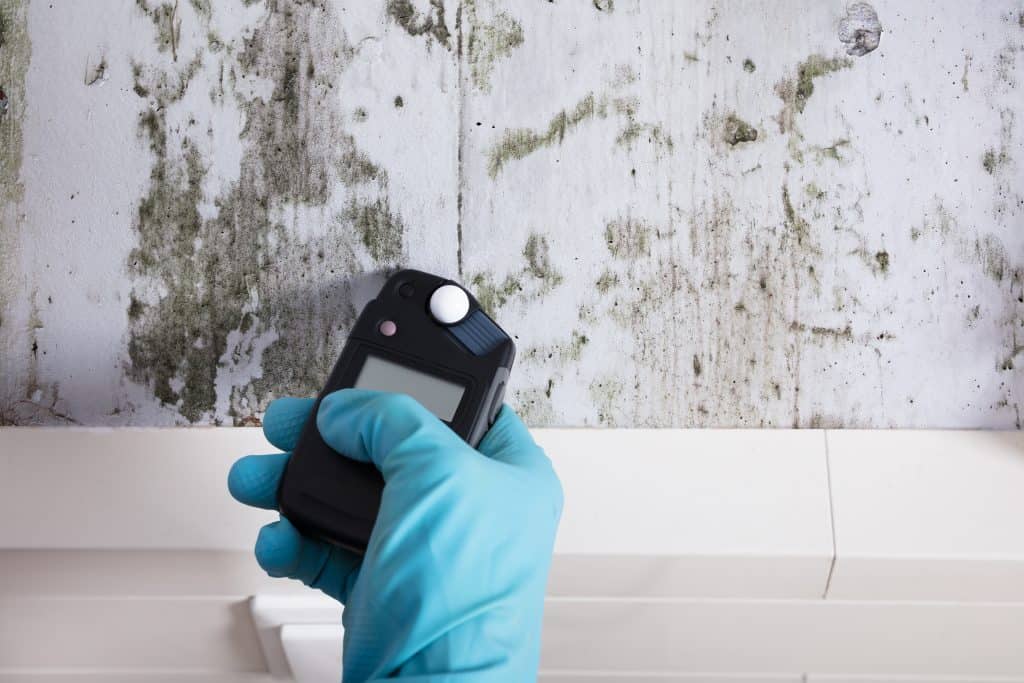
We use advanced detection tools that find mold in places you’d never think to check. Behind walls, inside HVAC systems, under flooring. Then we send samples to a third-party lab for certified analysis. You get a detailed report that explains what we found and what it means for your home.
Most of our work comes from referrals. People call us because their neighbor, coworker, or family member had a mold issue and we handled it right. We’re not trying to upsell you on services you don’t need. We’re here to test, report, and help you make an informed decision.
First, we walk through your home and talk about what you’ve noticed. Smells, stains, health symptoms, recent water issues—anything that brought you to this point. We’re looking for visible mold, but also moisture patterns and conditions that let mold grow hidden.
Next comes the actual testing. We use air sampling to measure mold spore levels in your indoor air compared to outdoor levels. We take surface samples from areas that look suspicious. We map moisture levels in walls, floors, and ceilings to find where water is accumulating. If you have an HVAC system, we check that too—it’s one of the most common places mold spreads without anyone noticing.
All samples go to an independent lab. You’re not trusting our opinion—you’re getting certified results from professionals who analyze mold for a living. The lab identifies the specific types of mold, measures concentration levels, and flags anything that’s a health concern or a sign of serious water damage.
Once results come back, we sit down and explain what they mean. If there’s mold, we’ll tell you what type, where it’s concentrated, and what’s feeding it. We’ll outline your options for remediation and prevention. If the test comes back clean, you’ll have documentation and peace of mind. Either way, you’ll know exactly what you’re dealing with.
Ready to get started?
A real mold inspection covers more than just looking around with a flashlight. You’re getting a full assessment of your property’s air quality and moisture conditions. We test the air in multiple rooms to measure mold spore counts. We take surface samples from visible growth or suspicious areas. We use moisture meters and thermal imaging to find hidden water problems that create mold-friendly environments.
In Fergusonville and throughout Bucks County, basements are a common trouble spot. Older homes, stone foundations, poor drainage—water finds a way in, and mold follows. We also check attics, crawl spaces, bathrooms, and anywhere you’ve had leaks or flooding. HVAC systems get inspected too, since they can spread mold spores throughout your entire home if there’s growth inside the ductwork.
Every test includes lab analysis from a certified third-party facility. The report breaks down mold types, spore concentrations, and compares your indoor air to outdoor baseline levels. High indoor counts mean there’s a source that needs attention. You’ll also get a written summary of findings, photos of problem areas, and recommendations for next steps.
This isn’t a pass/fail situation. It’s information. Some mold is normal—it’s everywhere outdoors and comes inside through windows and doors. What matters is whether you have an active infestation, elevated levels that affect air quality, or conditions that will lead to bigger problems if ignored. Testing gives you that answer.
You need testing if you’re noticing signs but can’t see the source. Persistent musty odors, worsening allergies or respiratory issues at home, visible water damage, or recent flooding are all reasons to test. If your symptoms improve when you leave the house and come back when you return, that’s a red flag.
Some people test after buying a home, especially older properties in Bucks County where basements and crawl spaces are common. Others test because they’re selling and want documentation that there’s no hidden problem. If you’ve had water intrusion—burst pipes, roof leaks, foundation seepage—testing confirms whether mold took hold before you could dry everything out.
DIY test kits don’t give you useful information. They’ll tell you mold is present, but mold spores are everywhere. What you need to know is the type, the concentration, and where it’s coming from. Professional testing with lab analysis gives you that. It’s the difference between “yes, there’s mold” and “here’s exactly what you’re dealing with and why.”
We test for all types, but the lab analysis identifies the specific species present in your home. Common ones in this area include Aspergillus, Penicillium, Cladosporium, and Stachybotrys—the black mold everyone worries about. Each type has different health implications and grows under different conditions.
Black mold gets the most attention because it produces mycotoxins that can cause serious health problems, especially in kids, elderly family members, and anyone with respiratory conditions. But other molds trigger allergies, asthma attacks, and chronic sinus issues too. The lab report tells you exactly what’s growing so you know what you’re dealing with.
Concentration matters as much as type. Low levels of certain molds are normal. High concentrations mean there’s an active source—water damage, high humidity, poor ventilation—that’s feeding growth. The lab compares your indoor spore counts to outdoor levels. If indoor counts are significantly higher, you have a problem that needs remediation.
The inspection itself takes a few hours depending on your home’s size and how many areas we’re testing. We’re thorough—checking air quality in multiple rooms, taking surface samples, mapping moisture levels, inspecting HVAC systems and hidden spaces like crawl spaces or attics.
Samples go to the lab the same day. Results typically come back within 3-5 business days. Once we have the lab report, we’ll schedule a time to review findings with you. That conversation usually takes 30-45 minutes. We’ll walk through what the lab found, show you where problems are concentrated, and explain what’s causing the mold growth.
If you need results faster for a real estate transaction or urgent health concern, we can request expedited lab processing. That usually cuts the timeline to 24-48 hours, though it costs more. Most homeowners are fine with the standard turnaround—it’s quick enough to get answers without paying extra for rush service.
Yes. Testing identifies the mold, but the inspection process finds the source. Mold doesn’t grow without moisture, so we’re looking for where water is coming from. That could be a leaky pipe, condensation, poor ventilation, foundation seepage, roof damage, or high indoor humidity.
We use moisture meters to measure water content in building materials. Elevated readings in walls, floors, or ceilings tell us where moisture is accumulating even if you can’t see it. Thermal imaging helps too—it shows temperature differences that indicate water intrusion or air leaks that cause condensation. In Fergusonville, basement moisture is common. Stone foundations, poor grading around the house, and outdated waterproofing let water seep in during heavy rain.
The report includes findings about moisture sources and conditions that support mold growth. You’ll know if it’s a one-time water event that needs cleanup or an ongoing problem that requires fixing the source before remediation makes sense. There’s no point removing mold if the leak or humidity issue is still feeding new growth.
You get a clear explanation of what was found and what it means. The lab report shows mold types, concentration levels, and which areas tested positive. We’ll walk you through the results, answer questions, and outline your options for remediation.
Not all mold findings require major work. Sometimes it’s a small area that can be cleaned and the moisture source fixed. Other times it’s more extensive—hidden growth behind walls, contaminated HVAC systems, or elevated spore counts throughout the home. The scope of remediation depends on how much mold is present and where it’s located.
We handle remediation too, so if you want us to take care of it, we’ll provide a detailed plan and quote. If you’d rather get other estimates, that’s fine—you’ll have documentation of what needs to be done. Either way, you’re not guessing. You have lab-certified results and professional recommendations for fixing the problem and preventing it from coming back.
Cost depends on your home’s size and how many samples we’re taking. A typical residential mold inspection with lab analysis runs between $400-$800. Larger homes, multiple problem areas, or additional testing like HVAC systems will be on the higher end. Smaller homes or targeted testing of one specific area costs less.
That price includes the on-site inspection, air and surface sampling, lab analysis, and a detailed report of findings. You’re paying for certified results and professional interpretation—not a $15 hardware store kit that only tests one spot and doesn’t tell you concentration levels or identify specific mold types.
Some companies offer free inspections, but they’re often tied to remediation services and may push you toward work you don’t need. We charge for testing because it’s a standalone service. You get unbiased results and recommendations whether you hire us for remediation or not. Call us for a quote based on your specific situation. We’ll ask about your home, what you’ve noticed, and give you an accurate price before scheduling anything.
Other Services we provide in Fergusonville